
Shoreline / WA

Plaster Wall Rewiring in Shoreline, WA

Shoreline Knob and Tube rewires Shoreline houses that have lath-and-plaster walls, replacing knob and tube and early cable while keeping as much original plaster intact as we can. The aim is a short list of planned openings instead of opened-up rooms, and a quote that spells out how each opening gets patched.

Plaster houses from before the 1950s are scattered among newer homes in Lake Forest Park and Edmonds too, and we take on those projects as well as Shoreline ones.

Request a quote
Lath-and-plaster wall with small, neat access openings for fishing new wire

How new wiring reaches rooms in a plaster house

Attic and crawlspace routes

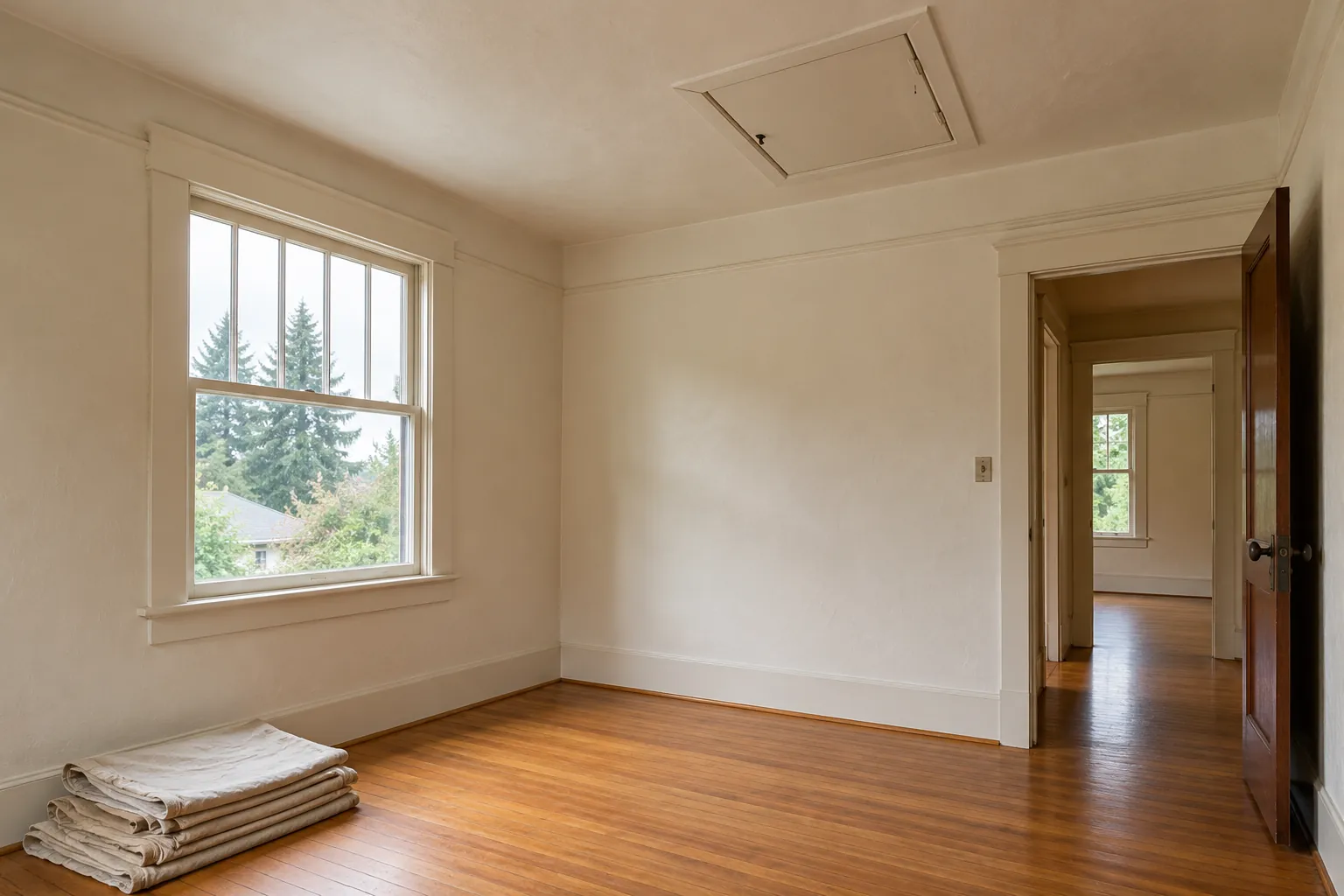
Single-story and story-and-a-half houses are often the most straightforward, because most walls can be reached from above or below. Cable is fished down from the attic to switches and ceiling lights, or up from a crawlspace or basement to outlets. Fire blocking, diagonal bracing, insulation and finished rooms overhead can stop a fish, and a full second floor needs more planning. The electrician decides route by route which paths are realistic.
Small planned openings

Where a wire can’t be fished, a small opening in the right spot lets it pass: at the top of a wall, at a blocked stud bay, or behind a baseboard or casing that can be lifted off and refitted. Grouping openings and reusing existing boxes keeps their number down. No plaster rewire is entirely free of openings, and the scope should show roughly where they are expected before anything is cut.

Surface routes where concealed paths are impractical

Some walls, such as a masonry chimney breast or a run blocked by framing that can’t be bypassed, have no sensible concealed path. Surface raceway, a run along a baseboard, or a route through a closet can be the practical answer there. Because it stays visible, we agree placement and finish with you before choosing it, and it remains an exception rather than the plan.

Patching plaster after the rewire

Plaster repair or drywall patch

The National Park Service’s guidance on historic plaster notes that it is often in better shape than it looks and that repairing it in place is usually preferable to tearing it out. Small openings can be filled with plaster built up in layers over metal lath until it meets the surrounding surface, or closed with a fitted piece of drywall and a skim coat. On walls you want to keep looking original, a plasterer matches thickness and texture best.

Put patching responsibility in the quote

Electrical contractors handle finish work differently. Some leave openings rough for a plasterer or painter, some make a basic patch, and others arrange the finish work themselves. The quote should name who cuts each opening, who fills and finishes it, who paints, and whether a separate plasterer is involved, so nobody is surprised by holes left behind.

Inspection before openings are closed

Nothing gets closed until the state inspector has seen it. L&I asks for the inspection request to come before electrical work is concealed, so in a plaster house the access holes are left open and fresh cable in the attic and crawlspace stays uncovered for the visit. The plasterer or patcher is booked for afterward. In Shoreline the permit and that inspection both come from L&I.

Empty upstairs bedroom in an older house with a ceiling attic hatch and folded drop cloths

Frequently asked questions

Can a plaster house be rewired without opening walls?

Rarely all the way. Many runs can be fished from the attic, crawlspace or basement, especially in single-story houses, but most projects still need some openings where framing blocks the path. A good scope keeps them few and small and says where they are expected.

Do electricians patch plaster?

Some do basic patching, while others leave it to a plasterer or drywall finisher. Get it in writing: who closes each opening, to what standard, and who paints. Where a seamless original finish matters, a plasterer is usually the right person.

Does the inspector need to see the wiring before patching?

Yes. L&I requires inspection to be requested before electrical work is covered, so openings and new cable stay accessible until the inspection is done, and patching comes afterward.

If your house has postwar braided cable rather than knob and tube, our cloth wiring replacement page covers the choice between GFCI protection and new circuits. You can also return to Shoreline Knob and Tube for the full range of older-home wiring work.

Your next step

Discuss plaster wall rewiring

Describe the house in a sentence or two: one story or more, how you get into the attic and under the floor, and which rooms keep their original plaster or decorative trim you want left untouched. We'll get back to you soon with an estimate or any questions we have. Estimates are free and there's no obligation.

Call (425) 725-5719

Call (425) 725-5719