Shoreline Knob and Tube replaces knob-and-tube wiring in Edmonds, WA, along with the ungrounded cloth-braided cable that came after it. We confirm what each house actually contains, replace live circuits with grounded wiring, take out abandoned runs where they can be reached, and plan routes through plaster and finished walls.
Most Edmonds homes are too new for knob and tube: Census estimates put only about 6% of the city’s roughly 19,500 homes before 1950. The early town grew up around the downtown Bowl, while the much larger stock of 1950s and 1960s houses on the surrounding hillsides is where ungrounded cable is the more common finding.
Knob and tube wiring replacement options in Edmonds
Knob-and-tube replacement in early Edmonds homes
Census estimates count about 500 Edmonds homes built before 1940, give or take 150. In those houses we check whether knob and tube is still in service, where it was extended during later remodels and whether it is spliced into newer cable, then replace the active circuits and remove dead runs that can be reached. Our homepage covers knob and tube replacement across the Shoreline area.
Cloth and ungrounded wiring in 1950s-60s subdivisions
Edmonds roughly tripled in population during the 1960s, from about 8,000 residents in 1960 to nearly 24,000 in 1970, as hillside subdivisions were added to the city. About 2,460 of today’s homes date from the 1950s and 4,850 from the 1960s. Grounded cable became the norm in the early 1960s, so houses from the 1950s and the first years of the 1960s often still have braided, ungrounded circuits. Our cloth wiring replacement page explains the options for them.
Rewiring behind plaster
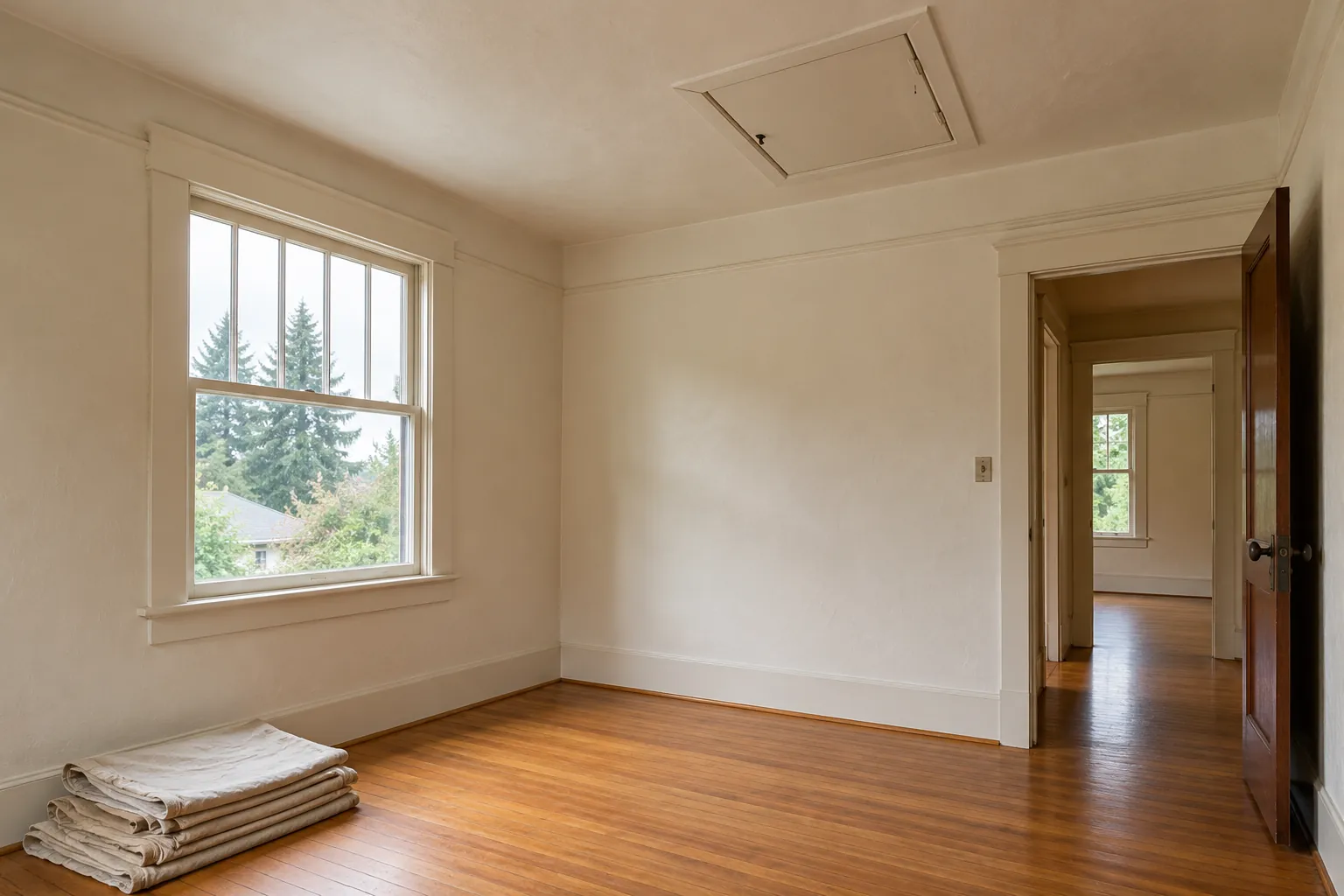
Earlier Edmonds houses, especially those from before the 1940s, usually have plaster walls, and decades of remodeling can leave a mix of plaster and drywall. We reach as much as possible from attics, crawlspaces and basements and keep wall openings few. Read more on plaster wall rewiring, including who patches the openings and when.
Inspection findings when buying or selling
If an Edmonds home inspection notes knob and tube or old wiring, we can confirm what is live and write a scope that both sides can work from within the contract timeline. See knob and tube found in a home inspection for the details on evaluations, permit history and seller disclosure.
Planning a rewire in Edmonds
An 1890 town and its later hillside subdivisions
Edmonds incorporated in 1890, which makes it the oldest incorporated city in Snohomish County, and shingle mills kept the early town busy until most had closed by 1951. That early history survives in a fairly small number of houses: Census estimates show about 1,170 built before 1950, compared with more than 7,000 from the 1950s and 1960s and over 7,600 since 1980. For most Edmonds owners the useful question is not whether the house has knob and tube but whether its 1950s or early 1960s circuits have a ground.
A Snohomish County address with a state electrical permit
Edmonds does not run its own electrical permit program, so permits and inspections come from Washington L&I. Next-door Lynnwood and Mountlake Terrace are different: both issue their own electrical permits, which matters when a property sits close to a city line. Esperance, the unincorporated pocket surrounded by Edmonds, is not part of the city at all. L&I asks that the jurisdiction be verified for each address before a permit is bought.
Sorting out wiring generations in an Edmonds house
Because so much of Edmonds was built in the twenty years after 1950, a survey here is often less about finding knob and tube than about dating the cable that replaced it.
Houses from the early 1960s
The national electrical code began requiring an equipment ground on every branch circuit in 1962, and plastic insulation took over from cotton braid during the same decade. A house finished around then may sit on either side of that change, and some carry both kinds of cable where an early addition or a later rewire met the original circuits. Grounded and ungrounded runs can look similar from a room, so we check at the panel and in the boxes rather than going by the construction year.
Attics insulated after the house was built
In the 1970s insulation was being blown into the attics and walls of older houses, and UL’s history of wiring practice notes that loose fill over failed knob-and-tube splices created an ignition risk. In the smaller number of early Edmonds houses that still have live knob and tube, the survey looks for insulation already packed around it.
Agree what replacement and removal include
Before work begins, the written scope should say exactly which circuits are being replaced and which are being protected or left alone. In a house that has both knob and tube and braided cable that list usually differs from room to room, and it is the clearest way to compare one quote with another.
Removal of abandoned wire is worth spelling out too. Dead runs in an accessible attic or crawlspace can be pulled, while wire buried in closed walls is generally disconnected and left where it is. Add the expected openings and who patches them, any panel changes, and the records you will get at the end, including the L&I permit and inspection result, which can later be looked up by address.
Frequently asked questions
Do most Edmonds homes have knob and tube?
No. Only about 2.5% of Edmonds homes were built before 1940, and most date from the 1950s through the 1970s or later. Knob and tube does appear in some early houses, so an older home is still worth checking, but in this city ungrounded braided cable is the more frequent issue.
Can GFCI outlets be used instead of rewiring an Edmonds house?
On some circuits, yes. Where there is no ground, the electrical code allows GFCI protection with “No Equipment Ground” labels, which guards against shock. It does not supply a ground for surge protectors or electronics, and it does nothing for cable that is damaged or overloaded, so kitchens, bathrooms and worn runs often still call for new wiring.
Who issues electrical permits in Edmonds?
Washington L&I issues electrical permits and performs inspections in Edmonds. Lynnwood and Mountlake Terrace run their own programs, so confirm which one applies to your exact address before work is scheduled.
Is a 1960s Edmonds house already grounded?
Usually, but not always. Grounding conductors became a code requirement for branch circuits in 1962, so most houses from the middle and late 1960s have them, while one finished in the first years of the decade may not. Additions and repairs can also mix cable types. A check at the panel and a few outlet boxes answers it for a particular house.
Does a two-prong outlet mean knob and tube?
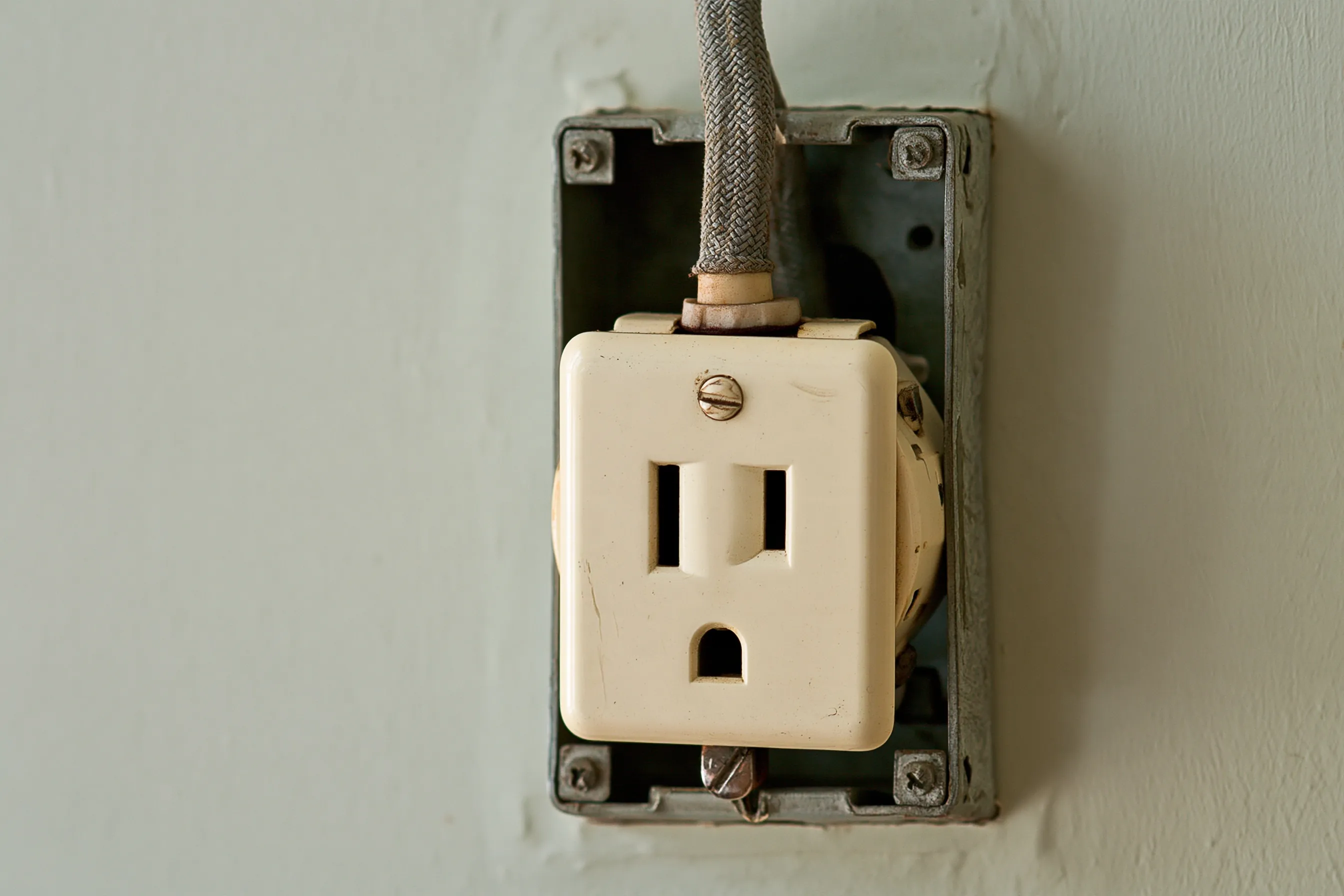
Not necessarily. Two-prong outlets show that a circuit has no ground, which is true of knob and tube but also of braided cable installed through the 1950s and into the early 1960s. In Edmonds the second is far more common. Looking at the wiring at the box, at the panel or in the attic tells which it is.
Request knob and tube wiring replacement in Edmonds, WA
For an Edmonds home, the construction decade and any past remodel or addition matter most, since they hint at which wiring generations are mixed together inside the walls. We'll get back to you soon with an estimate or any questions we have. Estimates are free and there's no obligation.